Reads
Tracking the cost of America's war of choice against Iran — day by day, dollar by dollar, life by life.
No International Waters
There is no international waters corridor through the Strait of Hormuz. Both shipping lanes fall within Omani territorial waters at the narrowest point. This is the geography that makes Iran's toll demand possible.
The Invisible Blockade
The Strait of Hormuz wasn't closed by mines or missiles. It was closed by the withdrawal of insurance. When Lloyd's listed the Persian Gulf as elevated war risk, the market did Iran's enforcement without a shot fired.
Denmark's 428-Year Toll
Iran's demand for Hormuz toll collection rights sounds unprecedented. It isn't. Denmark collected strait tolls for 428 years. Turkey still charges 'lighthouse fees.' The history of waterway governance is longer than you think.
Iran's 10-Point Plan
Iran rejected Trump's ceasefire and countered with a 10-point peace plan. Trump called it 'workable.' These demands — from controlled Hormuz passage to war reparations via transit fees — reveal what Iran actually wants from this war.
The Math
A $2/barrel Hormuz toll adds 2.67% to oil costs. The current crisis premium adds 57-67%. The math says importers would prefer paying Iran to disruption. Iran itself loses more from blockade than it would earn from tolls.
Trump's 'Joint Venture'
Hours before the ceasefire, Trump suggested a 'joint venture' with Iran for securing the Strait of Hormuz. The US president verbally endorsed Iranian co-governance of the world's most important oil chokepoint.
Pakistan Replaces Oman
For decades, Oman was the back-channel between Iran and the West. The April ceasefire was brokered by Pakistan. The Islamabad talks — Ghalibaf vs. Vance — mark a new diplomatic architecture. But Oman still controls the chokepoint.
The Oman Question
Iran controls the approaches to the Strait of Hormuz. Oman controls the bottleneck. Neither alone controls transit. Iran needs Oman for a legitimate toll system — but keeps bombing Omani ports.
The Ceasefire That Wasn't
The ceasefire lasted less than 24 hours before violations. Only 10 ships through on day one. 800+ vessels still trapped. The Islamabad talks have 12 days to determine whether Iran's toll becomes permanent or collapses back into war.

Day 26: Iraq Grants PMF Right to Respond, Iran Rejects Ceasefire, Hormuz Cracks Open
On Day 26, Iraq granted the PMF formal right to respond to US strikes after 7 fighters were killed at a military clinic. Iran rejected Trump's 15-point ceasefire proposal and issued a 5-condition counterproposal. A first crack appeared in the Hormuz blockade. US interceptor stockpiles are critically depleted after 26 days of sustained missile barrages. A third amphibious ready group is en route.

Day 25: Missile Breaches Tel Aviv Defenses, 15 PMF Commanders Killed in Iraq, 82nd Airborne Ordered to Theater
On Day 25, an Iranian ballistic missile penetrated Israeli air defenses and detonated in Tel Aviv. US airstrikes killed 15 PMF fighters including operations commander Saad al-Baiji at an Anbar province HQ — the deadliest single US strike on PMF forces in Iraq since Feb 28. The Pentagon issued deployment orders for the 82nd Airborne's 1st Brigade Combat Team, putting 6,000–8,000 US ground troops near Iran. CENTCOM confirmed 290 troops wounded.

Day 24: IDF Bombs Tehran Overnight, FPV Drone Kills a Black Hawk, Trump Pauses — Oil Crashes 14%
On Day 24, unprecedented overnight IDF strikes pulverized the IRGC headquarters and Iran's defense ministry in eastern Tehran. Kataib Hezbollah used a fiber-optic FPV drone costing a few hundred dollars to destroy a $25M Black Hawk helicopter and a $7M radar at Camp Victory. Trump announced a 5-day pause on planned strikes against Iranian power plants, and Brent crude collapsed below $100 for the first time since the war began.

Day 23: Natanz Struck Again, Trump's 48-Hour Ultimatum, Saudi Expels Iranians, 8,000 Targets
On Day 23, the US and Israel struck Iran's Natanz nuclear facility for the second time — the IAEA confirmed no radioactive release. Trump issued a 48-hour ultimatum to reopen the Strait of Hormuz or face Iran's power plants being 'obliterated.' Saudi Arabia expelled Iranian diplomats. CENTCOM announced 8,000+ targets struck and 130+ Iranian vessels destroyed since Feb 28.

Day 22: Iran Fires IRBM at Diego Garcia, Kuwait Refinery Burns Day 3, Iran's 70th Wave
On Day 22, Iran fired two Khorramshahr-class IRBMs at Diego Garcia — the first intermediate-range ballistic missile use of the war, targeting a US base 3,000+ miles away. Kuwait's Mina al-Ahmadi refinery was attacked for the third consecutive day. Iran launched its 70th retaliatory wave. Saudi Arabia intercepted 47 drones in a concentrated barrage.

Day 21: Three More Officials Killed in Tehran, Kuwait Refinery Burns Again, Marines Deploy
On Day 21, Israeli airstrikes killed three more senior Iranian officials in central Tehran — IRGC spokesman Naeini, Basij intel deputy Ahmadi, and MOII commander Shomastan. Iranian drones hit Kuwait's Mina al-Ahmadi refinery for the second consecutive day. The USS Boxer with 2,200 Marines departed California weeks early. Bahrain intercepted its 139th missile.

Day 20: Ras Laffan LNG Destroyed, Gulf Refineries Burning, First F-35 Hit, Brent $119
On Day 20, Iranian missiles destroyed the Ras Laffan LNG complex in Qatar — knocking out 17% of global LNG capacity. Drones hit refineries in the UAE, Kuwait, and Saudi Arabia. A US F-35A was struck by Iranian fire and likely written off — the first F-35 combat loss. Brent crude spiked to $119/barrel. Israel struck 200 targets across Iran in 24 hours.

Day 19: Intelligence Minister Killed, Bunker-Busters on Hormuz, $200B War Bill
On Day 19, Israel killed Iran's Intelligence Minister Esmail Khatib — the third senior official assassinated in two days. The US dropped 5,000-lb bunker-penetrators on Iranian anti-ship missile sites near the Strait of Hormuz. The Pentagon submitted a $200B+ supplemental war-funding request. Iranian cluster missiles killed 3 in Israel. Israel struck the world's largest natural gas field at South Pars.

Day 18: Iran's Security Chief Killed, Shah Gas Field Shut Down, Infant Killed in Arak
On Day 18, Israeli strikes killed Iran's top security official Ali Larijani and Basij commander Gholamreza Soleimani. Abu Dhabi formally suspended operations at the Shah gas field. An airstrike in Arak killed a 3-day-old infant and their family. Sharjah's industrial area was hit by Iranian strikes. The US Embassy in Baghdad was attacked.

Day 17: Shah Gas Field Ablaze, Israel Invades Lebanon, Khamenei's Plane Destroyed
On Day 17, an Iranian drone set the UAE's Shah gas field ablaze — shutting down 20% of the country's gas supply and 5% of global sulphur production. Israel launched a ground invasion of southern Lebanon. The IDF destroyed Khamenei's personal Boeing 747 at Tehran's Mehrabad Airport. Dubai International was shut down for 7 hours. Saudi Arabia recorded its largest single-day drone intercept.

Day 16: Israel Running Out of Interceptors, US Deploys AI Drones, Isfahan Bombed
On Day 16, Israel warned the US it is critically low on missile interceptors. The Pentagon deployed 10,000 AI-powered Merops drones at $140 million. US/IDF bombed Isfahan, Shiraz, and Hamadan. Iran struck Kuwait's Ahmad al-Jaber base twice in 24 hours. The UAE has now intercepted 298 ballistic missiles and 1,606 drones.

Day 15: Baghdad Embassy Hit, Tankers Damaged, Trump Forms Hormuz Coalition
On Day 15, a militia allied with Iran struck the US Embassy Baghdad helipad with a ballistic missile, destroying an air defense system. Iranian strikes damaged 5 tanker aircraft in Saudi Arabia and started a fire at Fujairah's oil hub. Trump rejected ceasefire talks and announced a multinational Hormuz coalition. Tehran bombing passed 200 targets in 24 hours.

Day 14: US Bombs Kharg Island, Marines Deploy, Pentagon Demands $28.8 Billion
On Day 14, B-2 bombers struck Iran's Kharg Island oil hub. The Pentagon ordered 2,200 Marines to the Middle East and asked Congress for $28.8 billion to restock munitions. Six airmen were confirmed dead from a KC-135 collision. And Trump warned: the oil is next.

Day 13: Two KC-135 Tankers Collide Over Iraq — 6 Airmen Dead, $140M Lost
On Day 13, two KC-135 Stratotankers collided over western Iraq, killing all 6 crew aboard one aircraft. Brent crude hit $120/barrel. Kuwait casualties were revised sharply upward. The US death toll climbed to 13.

Day 12: Hormuz Shuts Down, IEA Dumps 400 Million Barrels, Pentagon Hid the Real Bill
On Day 12, Iranian projectiles struck a Thai bulk carrier in the Strait of Hormuz. Two tankers burned in Iraqi waters, killing one. The IEA coordinated the largest strategic reserve release in history. And a Pentagon briefing revealed the first six days cost $11.3 billion — with Brent crude approaching $120.

Day 11: 16 Iranian Minelayers Sunk, a Submarine Killed by Hellfire, and Trump Says There's 'Practically Nothing Left to Target'
On Day 11, US forces destroyed 16 Iranian minelaying vessels and struck a Ghadir-class submarine with a Hellfire missile. Trump floated an off-ramp. The Pentagon briefed Congress that the first six days cost $11.3 billion. The war's phase was quietly shifting — and the bill kept climbing.
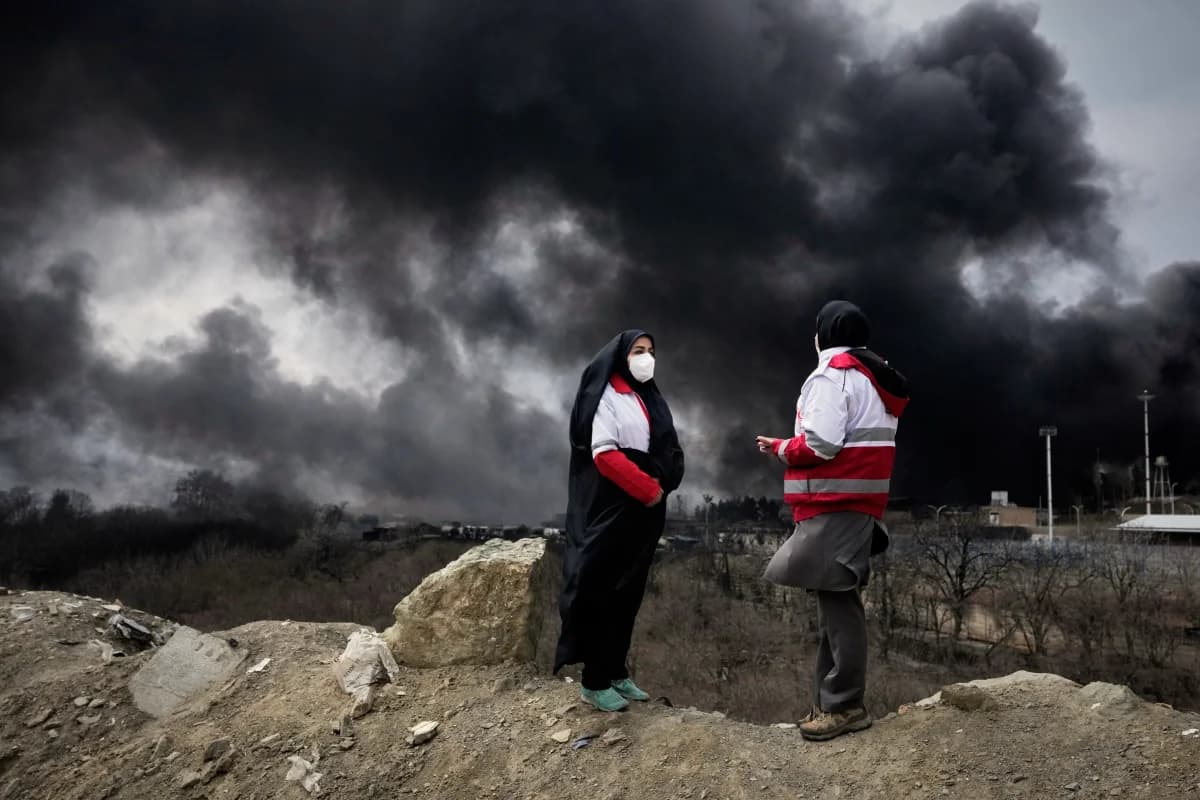
Day 10: Pentagon Admits $5.6 Billion in Munitions Burned, UNESCO Sites Destroyed
On Day 10, the Pentagon revealed it burned through $5.6 billion in munitions in just the first 48 hours. Strikes on Isfahan destroyed UNESCO World Heritage sites. Iran named a new supreme leader. Oil hit $119.50. And Trump said 'we haven’t won enough.'
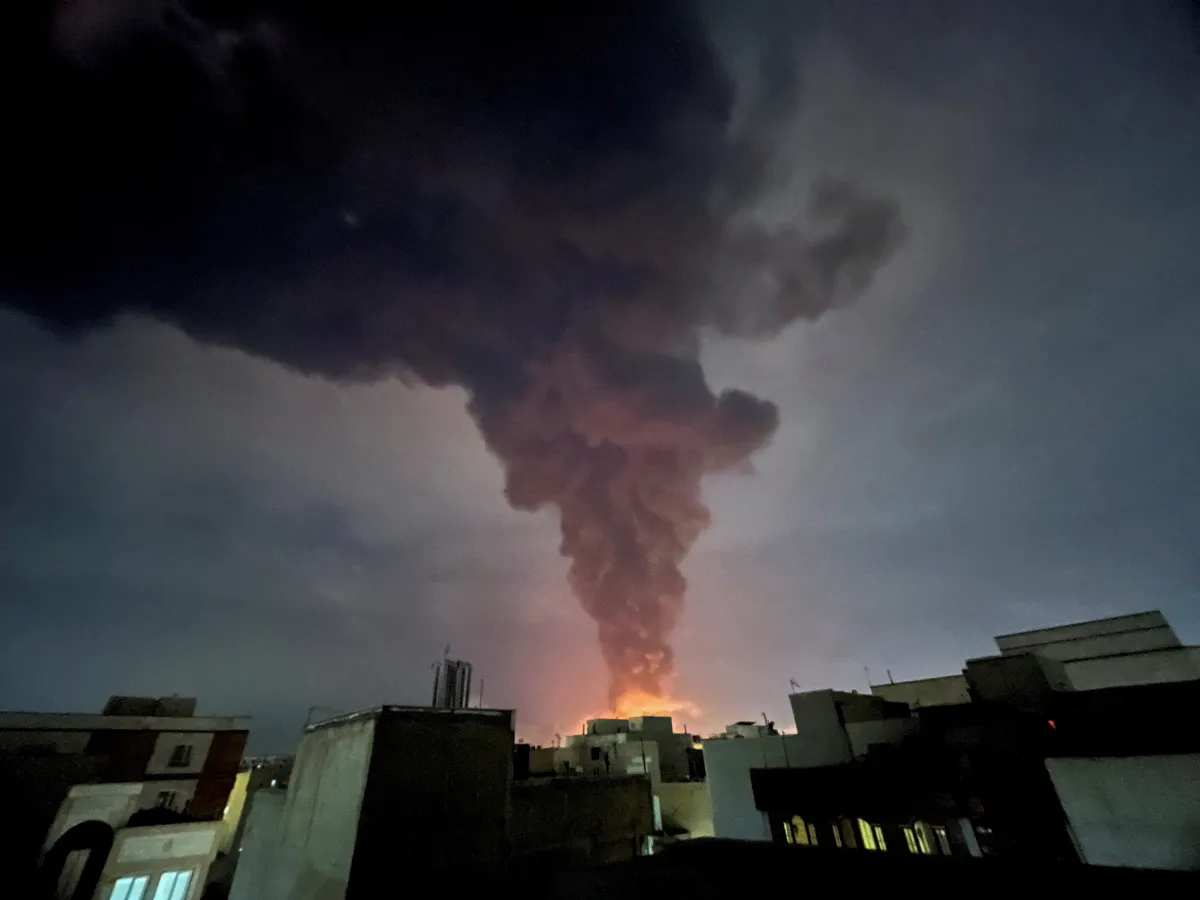
Day 9: Tehran Oil Blitz, Beirut Hotel Strike, 7th US Soldier Dead
Day 9 saw the heaviest night of oil-targeting strikes on Tehran, Israel bombed a Beirut hotel killing 4, Iranian drones hit Kuwait International Airport killing 2, and Sgt. Benjamin Pennington became the 7th US service member to die.
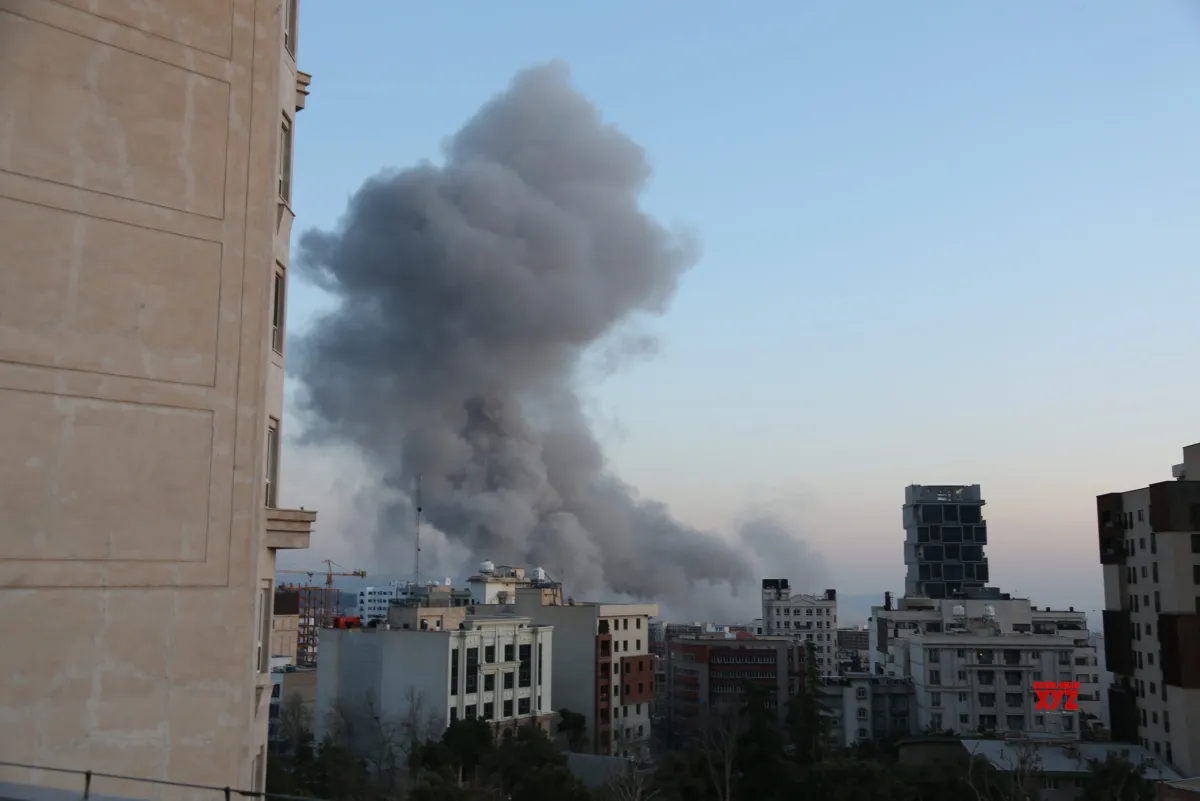
Day 8: US Bombs Water Plant on Qeshm Island — Israel Strikes Tehran Oil Depots
Day 8 saw the US strike a civilian desalination plant on Qeshm Island cutting water to 30 villages, Israel hit oil depots in Tehran for the first time, and Dubai was struck by drone debris killing 1. The heaviest bombardment of Tehran yet.
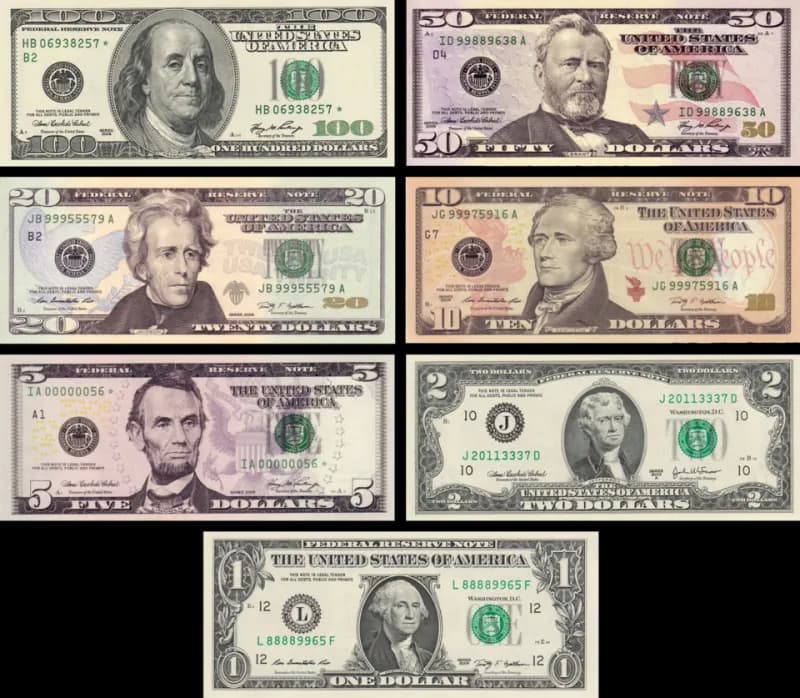
What the Iran War Costs vs. What America Actually Needs
The Iran war is burning $110-175 million per day. Here's what that money could buy instead: healthcare, schools, housing, food programs, and infrastructure Americans desperately need.
One Week of War with Iran: $7+ Billion and 1,332 Civilians Dead
After one week of Operation Epic Fury, the US has spent over $7 billion, destroyed 20+ Iranian ships, lost $3 billion in equipment, and killed 1,332 Iranian civilians. A full accounting.
180 Girls Were Sheltering in a School. The US Bombed It.
On March 3, 2026, a US airstrike hit a school in Minab, Iran, where displaced families had taken shelter. 180 people were killed — most of them girls and young women. The Pentagon called it a military facility.
The AI Bubble, Gulf Money, and the Iran War: How One Conflict Could Collapse It All
The US economy is propped up by an AI investment bubble with Ponzi-like circular financing, trillions in Gulf Arab investment pledges, and a stock market dangerously concentrated in 7 companies. The Iran war threatens to unravel all three at once.
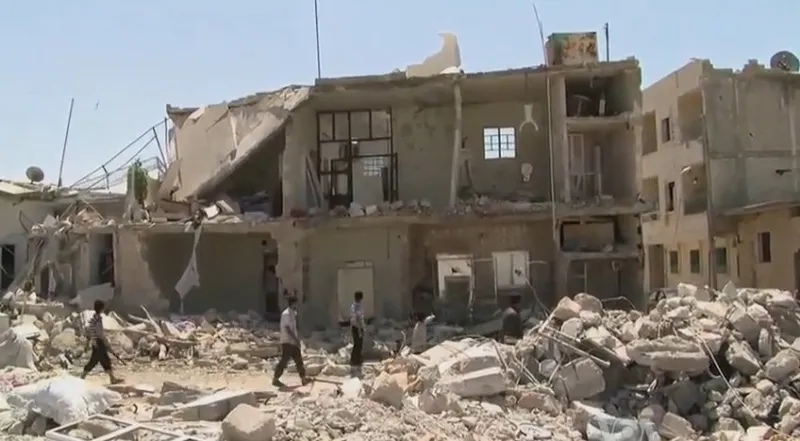
Day 7: Residential Areas Bombed in Tehran — 1,332 Iranian Civilians Dead
One week into the war: overnight bombing hits Tehran residential areas and a military academy. Drone debris kills 1 at Abu Dhabi airport. 1,332 Iranian civilians confirmed dead, 5,402 wounded.
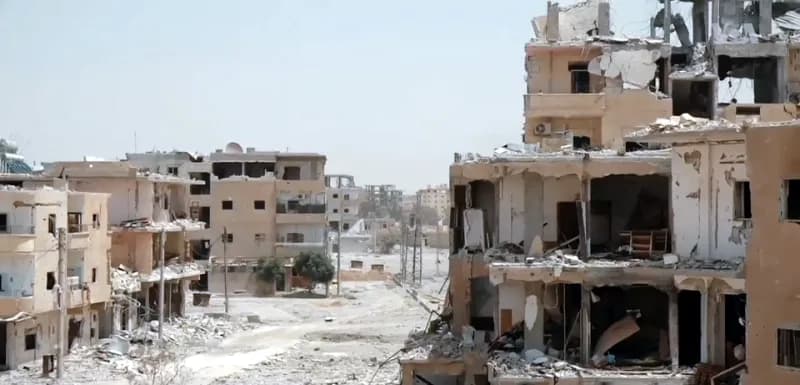
Day 6: Tehran Heavily Bombed — Iranian Civilian Death Toll Passes 1,000
Day 6 saw western Tehran bombed with visible smoke plumes, Iran's 19th retaliatory wave with 230 drones, and the civilian death toll exceeding 1,000 killed. Bahrain residential towers were struck.
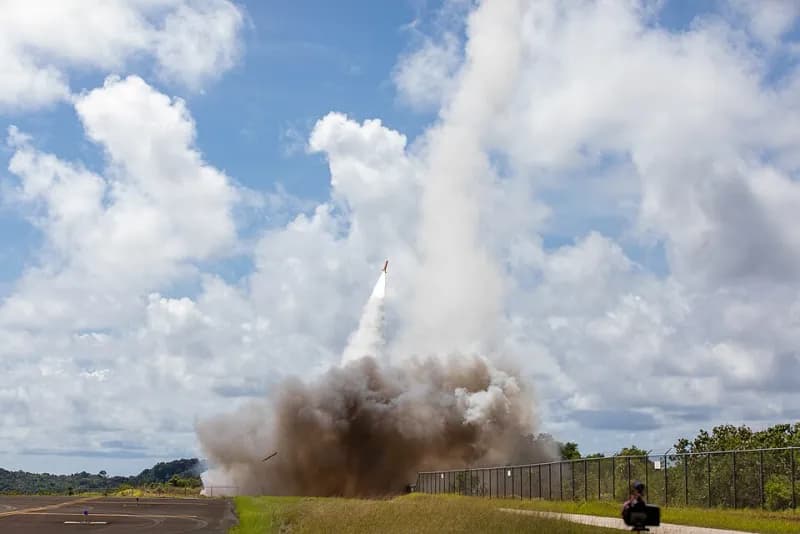
Day 5: Naval War Escalates — $3 Billion Spent on Interceptor Missiles Alone
Day 5 saw the US spend $3 billion on THAAD, Patriot, and SM-6 interceptors. 20+ Iranian naval vessels were destroyed. An Iranian frigate was torpedoed off Sri Lanka, 3,000 miles from the war zone.
Day 4: B-52s and B-1 Bombers Join the Assault — Minab School Massacre Kills 180
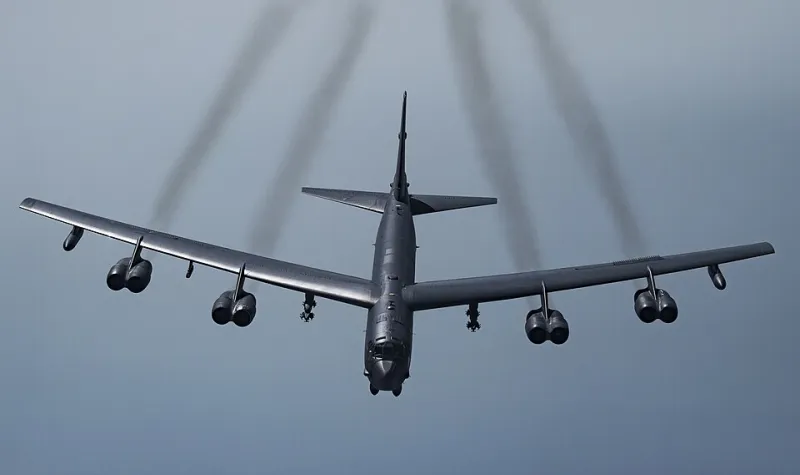
On Day 4, the US deployed B-52 Stratofortress and B-1B Lancer bombers against Iran. In Minab, a strike killed 180 people at a school. The US Embassy in Riyadh was hit by Iranian drones.
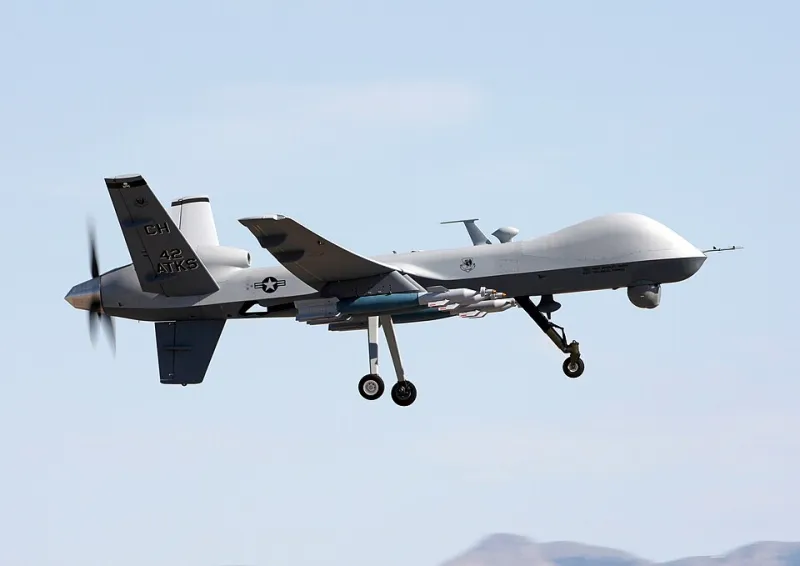
Day 3: The War Spreads — Kuwait, Qatar, and Saudi Arabia Under Attack
By Day 3, Iran's retaliatory strikes had hit US bases in Kuwait, disrupted Qatar's LNG production, and struck Saudi Arabia's largest refinery. LUCAS drones saw their first combat use.
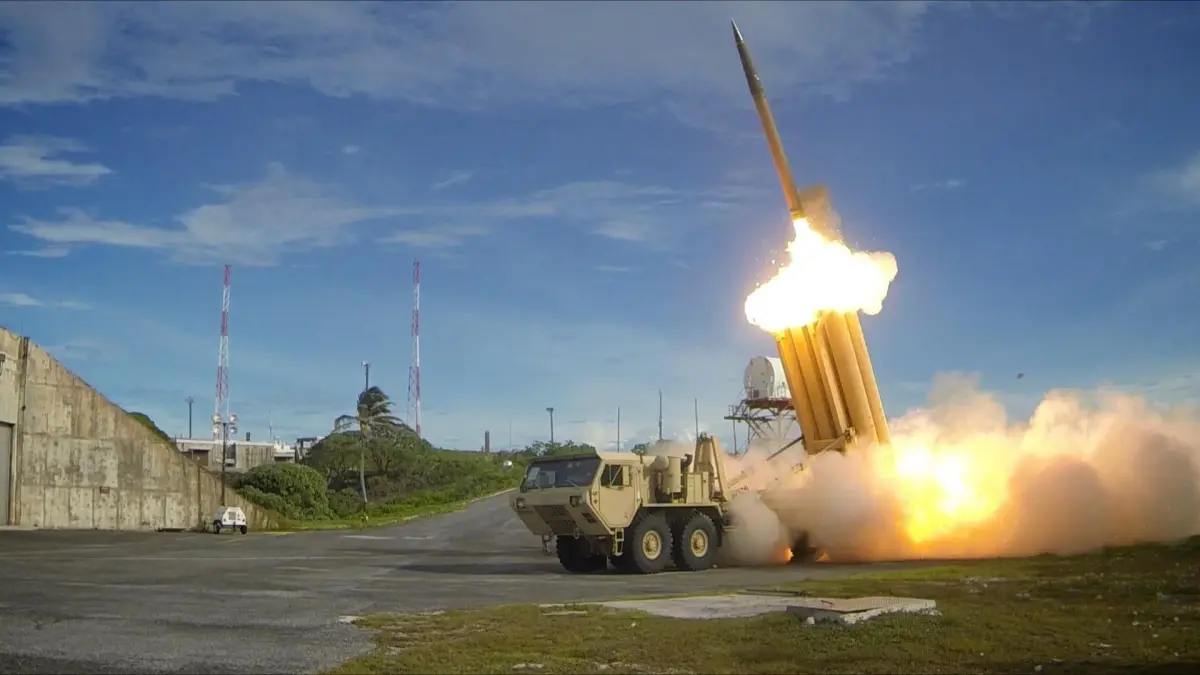
Day 2: Iran Fights Back — $1.6 Billion in US Equipment Destroyed
On March 1, Iran's retaliatory strikes destroyed a $1.1 billion US radar in Qatar and a $500 million THAAD radar in UAE, while the US fired 100 more Tomahawks and struck Iran's nuclear site at Fordow.
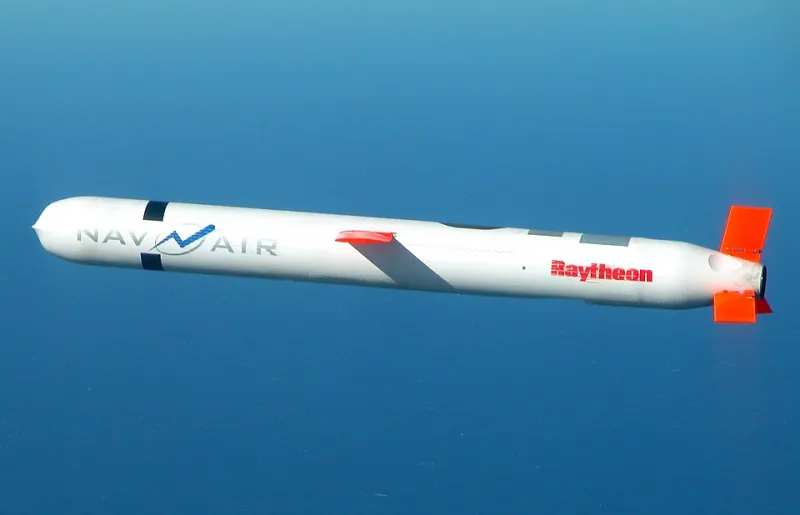
Day 1: Operation Epic Fury Begins — $779 Million Spent in 24 Hours
On February 28, 2026, the US launched Operation Epic Fury against Iran. In the first 24 hours: 120+ Tomahawk missiles, B-2 bomber strikes, and $779 million in taxpayer money spent.
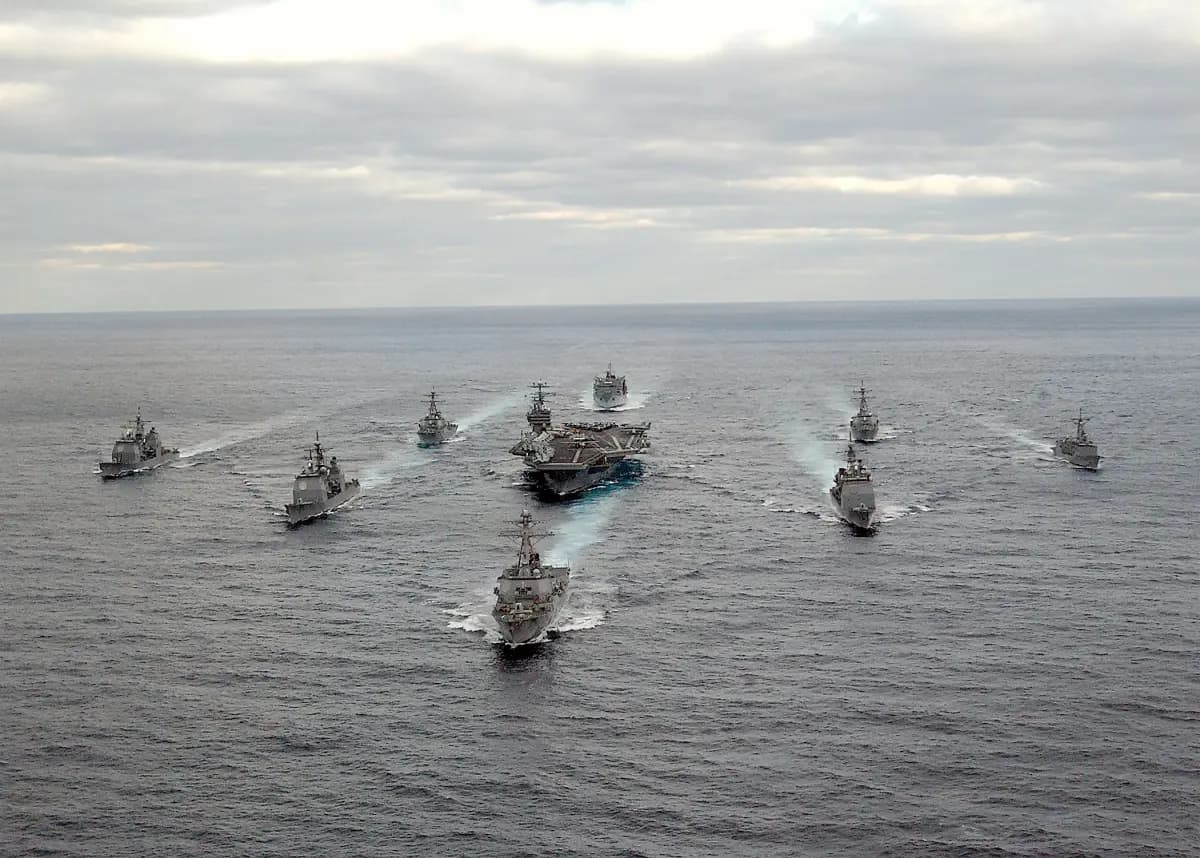
$630 Million Spent Before the First Bomb Even Dropped on Iran
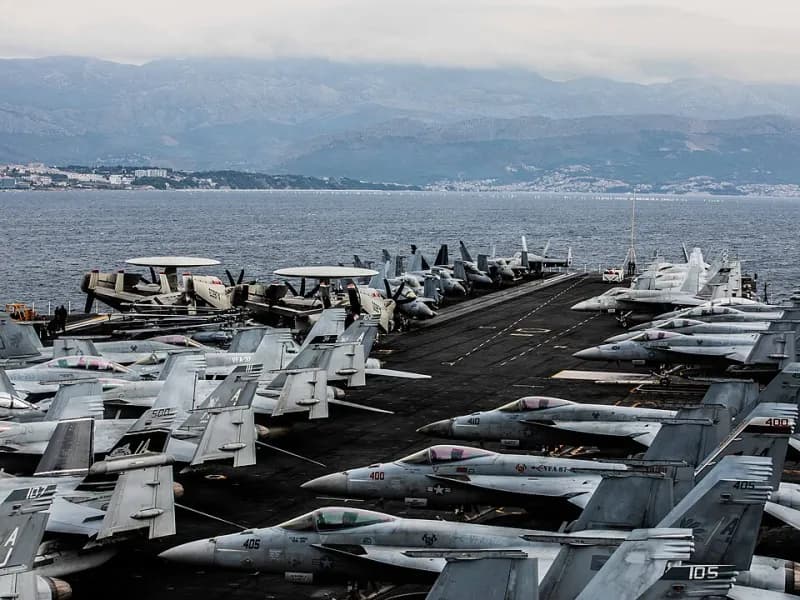
From January 23 to February 28, 2026, the US quietly spent $630 million moving warships, fighter jets, and missile batteries into position for a war of choice against Iran.